
Your Ride Starts HereA simple guide to getting started, staying safe and discovering the fun of snowmobiling.
Types Of Riding
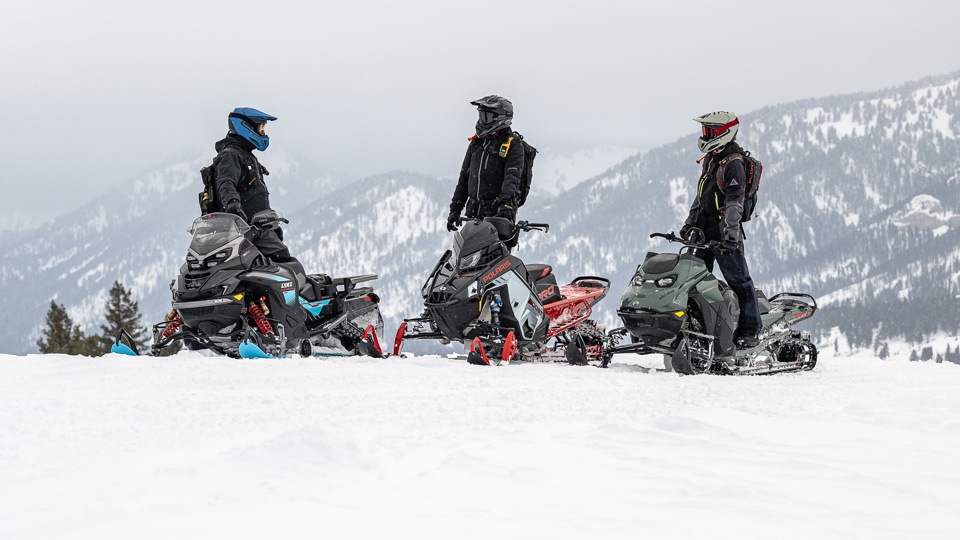
New to snowmobiling? There are different types of riding based on locations, terrain and your riding preferences.
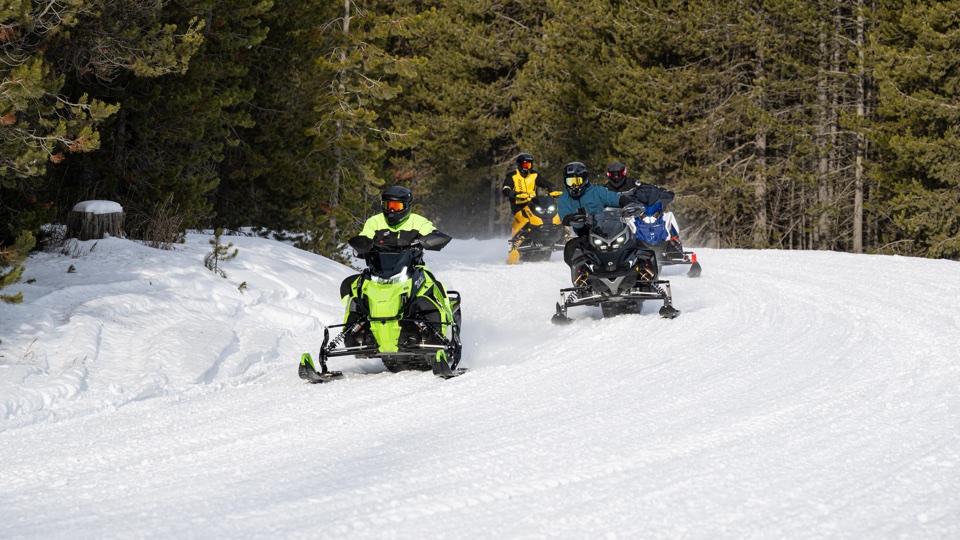
Trail Riding
Riding on a marked, maintained trail through woods, fields, ditches and lakes.
Crossover Riding
Riding on and off groomed trails, through powder or single track trails where it is legal.
Mountain Riding
Riding off-trail through deep powder and up mountain slopes.
Riding Gear
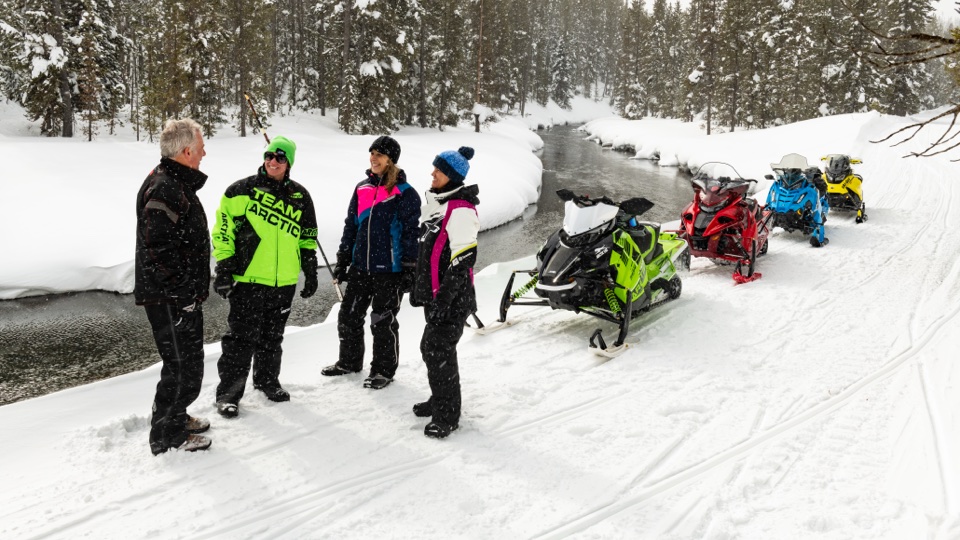
Choose the right gear for your riding style, the weather and your preferences to stay warm, dry and protected while riding.
Layered Riding Gear

Layer your gear based on your riding style and weather conditions. The three layers are a moisture-wicking base layer, an insulating mid-layer, and a windproof, waterproof outer layer.
- Base Layer
- The base layer should wick away moisture to keep you dry. Choose base layers that fit snug and are made of polyester or merino wool. Avoid cotton, which will hold moisture and make you cold.
- Mid-Layer
- The mid-layer provides insulation and helps retain body heat to keep you warm. Fleece jackets, wool, or lightweight puffy jackets are ideal. Mid-layers can be added or removed to adjust for the temperature and your riding style.
- Outer Layer
- The outer layer blocks wind and snow, protecting you from the elements. Choose a snowmobile specific jacket and bibs or a mono-suit with waterproof and breathable fabric.
Helmets
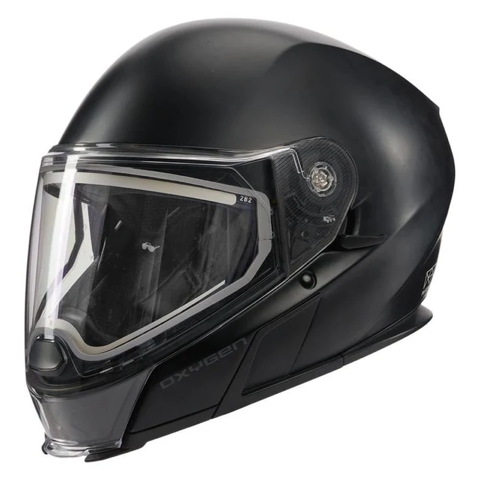
Choose a helmet that is DOT or ECE safety certified and made for your style of riding. The helmet should fit snugly on your head without creating too much pressure.
- Full-Face
- Provides maximum warmth and wind protection. Best for trail riders and cold weather touring.
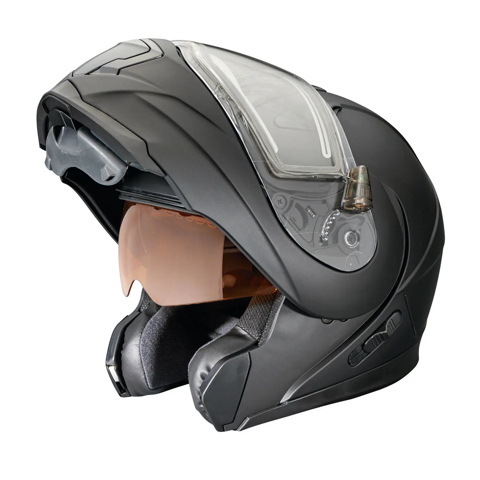
- Modular
- Provides warmth and protection, plus features a flip-up chin bar, making it easy to talk or wear glasses without removing the helmet. Best for touring riders and riders who stop often.
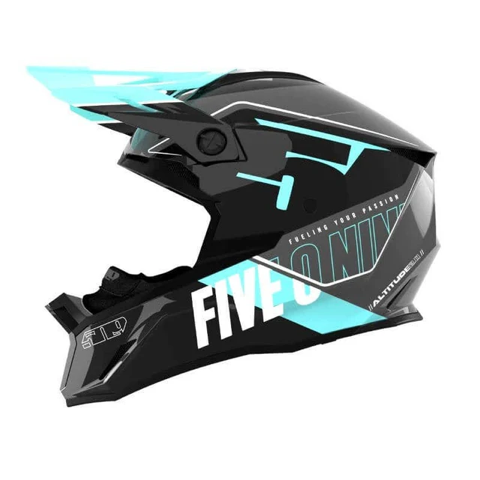
- Snocross / Open-Face
- Uses a peaked visor and requires separate goggles; best for active, off-trail, or mountain riding where you generate more body heat.
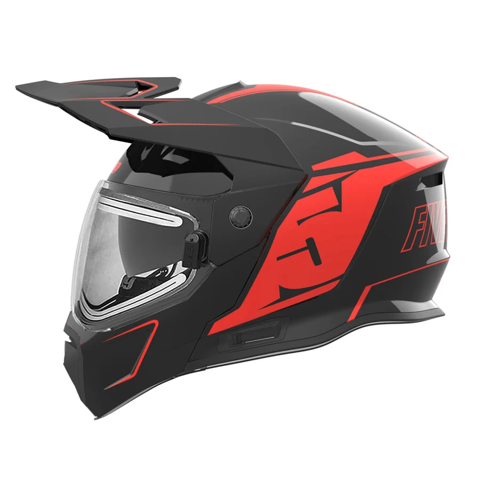
- Dual-Sport
- Combines the extended visor of a snocross helmet with a full face shield. Best for mixed trail and off-trail riders.
Boots
Choose snowmobile boots that are tall to support your ankles and keep snow out, are waterproof and provide insulation based on your riding style and temperatures where you ride.
- Trail Riding
- 600+g of insulation with flexible comfort.
- Backcountry / Mountain Riding
- 600g of insulation, stiffer boots with molded tongues and heavy ankle support to handle running boards and rough terrain.
- Extreme Cold
- 800–1000g of insulation.
Gloves
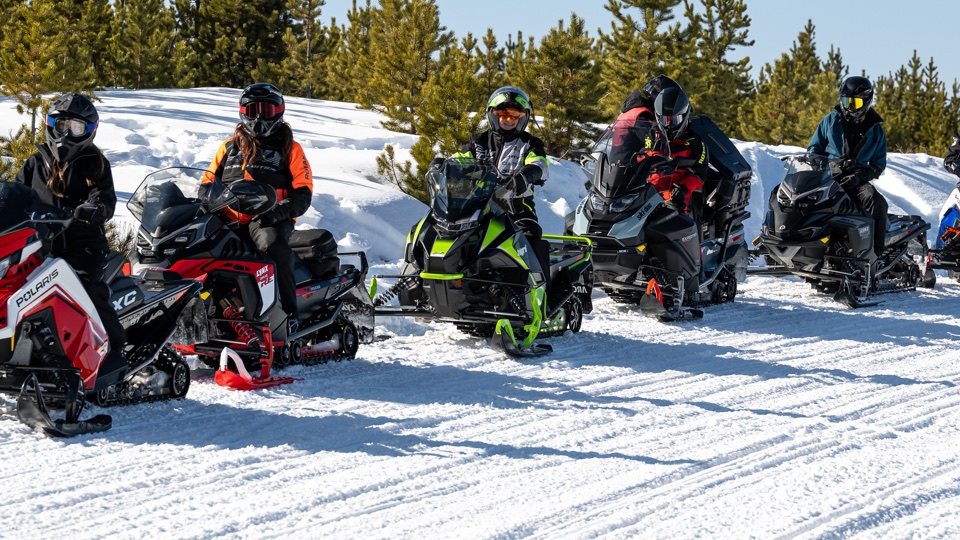
Choose gloves specifically made for snowmobiling with insulation matched to your riding style.
- Trail Riding
- Choose heavily insulated gloves (Level 4 or 200g+ of insulation like Thinsulate).
- Backcountry / Mountain Riding
- Choose lighter, low-bulk gloves. Active off-trail riding generates body heat, and you need maximum dexterity to work the throttle and brakes.
- Extreme Cold
- Consider trigger-finger mitts (crab claws) or heated gloves for an extra warmth boost, keeping in mind they slightly reduce individual finger control.
Learn To Ride
New to snowmobiling? There are several resources available to help you learn to ride.
- Take a snowmobile safety certification course, which includes riding information for new riders: US Safety Certification | Canada Safety Certification
- Watch videos for tips on owning and using snowmobiles.
- Start your snowmobile experience with rental and tour opportunities: Polaris Adventures | BRP Experiences
Snowmobile Safety
Training, habits and gear that keep you
and the people you ride with out of trouble.
Safety Requirements
Some areas require a safety class.
Although it may not be required in your area, it is recommended that anyone riding a snowmobile take a safety class, and if you are riding in mountainous terrain, it is recommended you take an avalanche training course.
Find a snowmobiling association in your area for more information.

Riding Safety
Keep yourself and others safe by following basic snowmobile safety tips. Learn more and become a safe rider through the Safe Rider Awareness Program.
- Do not drink and ride.
- Know your abilities and don’t go beyond them.
- Know your riding area. Get a trail map or download a trail app. Talk to the locals.
- Know and follow local riding regulations.
- Don’t ride alone.
Avalanche Safety
Mountain riding requires additional safety measures to protect you and your group in avalanche terrain. Minimize your risk by taking an avalanche awareness course and carrying the proper equipment.
If you don’t live in the mountains, but plan to ride there occasionally, you should prepare yourself before leaving.
Get the gear
Ensure everyone has an avalanche transceiver, shovel and probe, and knows how to use them.
Get the training
Take an avalanche course.
Get the forecast
Make a riding plan based on the current avalanche and weather forecast.
Get the picture
If you see recent avalanche activity, unstable snow exists. Riding on or underneath slopes is dangerous.
Get out of harm’s way
One at a time on all avalanche slopes. Don’t go to help your stuck friend. Don’t group up in runout zones.
Before You Ride
Every state and province has its own rules.
Get the paperwork sorted before you load the trailer.
Licensing & Registration
Trail Permits
Snowmobile Insurance
Licensing & Registration
Licensing and registering a snowmobile in the United States and Canada means registering the physical vehicle with a state, provincial, or territorial agency to get official decals or a registration certificate.
Where to find your requirements
- Every state and province requires your snowmobile be properly licensed or registered. Requirements vary by location.
- Find your requirements through your state or provincial snowmobile association or local natural resource office.
Trail Permits
Snowmobile trail passes or permits are required to ride on groomed or public trail systems in the United States and Canada.
- Trail permit requirements vary by location. Check your state and local requirements before riding.
- Trail permits are usually not required when riding on private property with the owner’s permission.
- If riding out of state in the U.S., you may be required to have a non-resident or out-of-state permit. Always check requirements where you are riding.
- Canada offers early bird discounts on trail permits for a limited time before the season.
Snowmobile Insurance
A snowmobile insurance policy can protect against property damage, theft, and injuries. Many states and trail systems require basic liability insurance. Damage insurance is also required when you finance a vehicle.
Key Coverages Explained
- Liability CoveragePays for injuries or property damage if you crash into someone else. This is often legally required to ride on public trails.
- Collision CoveragePays to fix your sled if damaged in an accident.
- Comprehensive CoveragePays to replace or fix your sled if it is stolen, catches fire, or is damaged by severe weather.